Construction Industry Trends 2026 are transforming the way contractors operate, win projects, and scale their businesses. The construction industry has always been about grit, craftsmanship, and hands-on execution. But in 2026, relying solely on word-of-mouth referrals, outdated spreadsheets, and manual processes is a recipe for missed opportunities, margin erosion, and even business failure.
Labor shortages continue to impact both field crews and office teams. Material costs fluctuate unpredictably, and today’s homeowners, commercial developers, and property managers have little patience for contractors who take days to respond to inquiries. Contractors who fail to adopt new technologies risk falling behind competitors that are embracing digital workflows, AI-powered tools, and hyper-local marketing.
At Atlas Unchained, we’ve spent years helping construction firms bridge the gap between the physical jobsite and the digital world. The construction industry trends 2026 we’re seeing aren’t incremental—they represent a full-scale evolution. Firms leveraging digital transformation for contractors, predictive estimating, AI in construction marketing, and automated workflows are thriving, while traditional methods are being left behind.
In this article, we’ll explore the top construction industry trends for 2026 that will separate market leaders from the laggards. From AI-first lead capture systems to hyper-local SEO, back-office automation, predictive bidding, and on-site digital tools, these trends provide actionable insights for contractors who want to grow revenue, increase efficiency, and dominate their markets.
1. AI-First Lead Capture: Winning the Race to Respond
In 2026, speed-to-lead is the most critical metric in construction sales. If a potential client reaches out to three contractors and your team responds hours later, the job is likely lost before you even speak to them.
The Trend: AI-powered lead capture is replacing outdated phone trees and clunky chatbots. Modern systems can:
- Answer phone calls or website chats 24/7
- Qualify leads by project type, size, and budget
- Provide preliminary ballpark estimates using historical project data
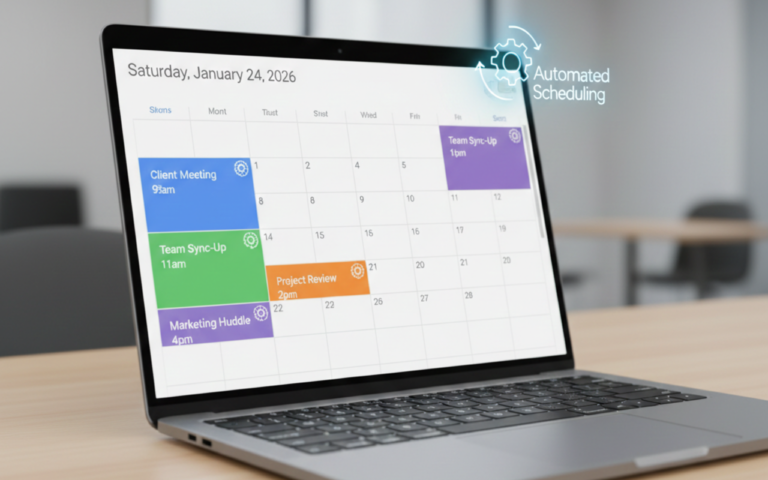
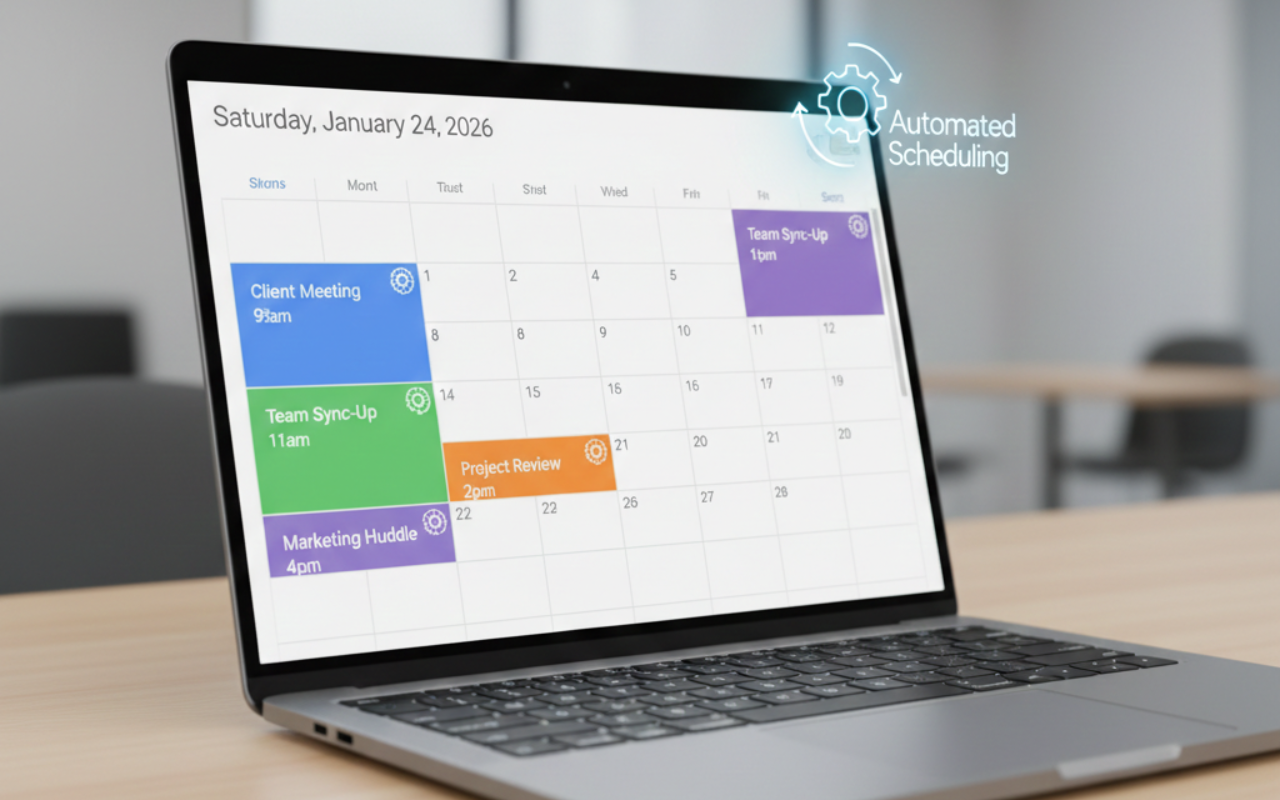
- Automatically schedule site visits with your estimator
Why it matters: Lead leakage is the silent killer of construction profits. Studies show mid-sized construction firms lose 30–40% of potential revenue due to slow follow-ups. Implementing an AI-first lead capture system is like hiring a 24/7 sales team that never sleeps, never forgets to follow up, and ensures no lead goes cold.
Actionable Tip: Audit your response times. If your team takes more than 10 minutes to respond, integrate AI lead capture with your website and CRM systems. Combining AI with HubSpot, Zoho, or Salesforce ensures every inquiry is tracked, qualified, and scheduled automatically.
Extra Insight: Advanced AI can analyze customer intent and predict which leads are most likely to convert. Contractors using AI lead systems report 20–35% higher conversion rates within the first quarter of implementation.
2. Hyper-Local SEO and the Death of General Keywords
Broad, city-wide keywords like “General Contractor [City]” are increasingly expensive, competitive, and often generate low-quality leads. In 2026, success comes from hyper-local SEO and micro-niche content strategies.
The Trend: Contractors are creating content clusters targeting specific neighborhoods, project types, or property styles. Google’s algorithms now heavily weigh Experience, Expertise, Authoritativeness, and Trustworthiness (E-E-A-T), rewarding sites that demonstrate in-depth knowledge in specific areas.
Example: Instead of “Kitchen Remodeler,” firms are ranking for:
- “Custom ADU Construction in [Neighborhood]”
- “Eco-Friendly Outdoor Kitchens for Coastal Homes”
Content clusters include 10–15 interconnected pieces: blog posts, videos, and case studies all centered around a single service in a specific zip code. This approach improves SEO, establishes authority, and increases high-intent leads.
Actionable Tip: Identify your three most profitable services, create dedicated landing pages, and back them with at least 5–10 supporting blog posts. Include FAQs that answer specific customer questions—perfect for Answer Engine Optimization (AEO) for voice searches like “Who does eco-friendly ADU construction in [neighborhood]?”
Extra Insight: Hyper-local SEO paired with Google Business Profile optimization and local schema markup ensures your firm appears in “near me” searches, maps, and AI voice queries—critical for 2026.
3. Back-Office Automation: Scale Without Adding Headcount
Labor shortages aren’t limited to the field—they’re hitting offices too. Finding skilled project coordinators, office managers, or estimators is harder than ever.
The Trend: The Digital Jobsite extends to the back office. Tools like N8N, Zapier, and custom API integrations allow seamless automation:
- Contracts signed in DocuSign automatically generate projects in Procore
- Foremen receive instant notifications via Slack
- Invoices are automatically created in QuickBooks
Why it matters: Every minute spent on repetitive office work is a minute lost on managing crews or jobsites. Automation eliminates these bottlenecks, reduces errors, and frees your team for high-value work.
Actionable Tip: Start by automating your most repetitive task—for example, moving lead information from a web form into your CRM. Once successful, expand automation gradually to other workflows.
Extra Insight: By 2026, predictive analytics integrated into project management software can flag potential delays, cost overruns, or permit issues before they occur—saving thousands per project.
4. Predictive Estimating and Data-Driven Bidding
Inflation, supply chain volatility, and labor shortages make traditional gut-feel estimates risky.
The Trend: Contractors are now using AI-driven and data-backed estimating tools to forecast costs, labor, and material trends with precision.
The Competitive Edge: With data-driven bidding, contractors can:
- Bid confidently on profitable jobs
- Avoid “trap projects” that erode margins
- Reduce risk and increase win rates
Actionable Tip: Integrate predictive estimating software with your project management tools. Monitor performance metrics to refine bids over time and maximize margins.
Extra Insight: Modern systems can automatically pull real-time supplier pricing and labor rates to adjust bids dynamically, helping contractors remain competitive in volatile markets.
5. AI in Construction Marketing
Marketing is no longer optional—it’s essential. AI allows small and mid-sized contractors to compete with larger firms without massive marketing budgets.
The Trend: AI tools help contractors:
- Create hyper-personalized email campaigns
- Identify content gaps and optimize websites
- Automate social media posts
- Produce proposals in minutes
Actionable Tip: Use AI marketing tools like Jasper.ai, ChatGPT for content, or HubSpot AI to automate repetitive tasks, create high-quality content, and engage clients consistently.
Extra Insight: Contractors using AI marketing report 25–40% higher engagement rates, better lead generation, and faster project conversions.
6. On-Site Technology: Drones, IoT, AR/VR
The Digital Jobsite isn’t just office automation—it’s transforming field operations too.
The Trend: Contractors increasingly use:
- Drones for aerial surveys and progress tracking
- IoT sensors to monitor equipment, materials, and safety
- AR/VR tools to visualize designs for clients
Why it matters: Real-time site data reduces rework, improves transparency, and allows better project forecasting.
Actionable Tip: Deploy drones on one project per month and expand as ROI becomes evident. Explore IoT sensors to track equipment usage or AR/VR to impress clients during project presentations.
Extra Insight: By 2026, 3D printing of construction components is emerging, enabling faster, cost-effective production for specialized projects.
7. Workforce Training and Digital Adoption
Technology adoption is only as strong as the people using it.
The Trend: Leading firms invest in workforce training so crews can:
- Use mobile project management apps
- Interpret drone and IoT data
- Utilize AI estimators and predictive bidding
Why it matters: A digitally literate workforce maximizes ROI on technology investments and improves efficiency.
Actionable Tip: Implement a Digital Adoption Plan, starting with foremen and estimators. Include training videos, on-site coaching, and incentives to encourage tech adoption.
People Also Ask (FAQ)
What are the biggest challenges for construction in 2026?
Labor shortages, material volatility, and Digital Darwinism—the gap between tech-savvy firms and traditional operators—are the main challenges.
How can AI help small construction companies?
AI enables small teams to operate like large firms, offering 24/7 lead capture, automated follow-ups, and professional marketing without increasing payroll.
Is SEO still relevant for contractors in 2026?
Yes, but modern SEO is about Answer Engine Optimization (AEO). Content must answer specific customer questions asked via voice assistants like Siri, Alexa, or Gemini.
What is the “Digital Jobsite” concept?
It’s the integration of physical construction with digital workflows, including drones, AI, automation, and predictive project management.
How can contractors overcome labor shortages?
Automation, AI, digital workflows, and workforce training allow firms to operate efficiently with smaller, more skilled teams.
Summary Checklist for 2026 Success
- Implement AI Lead Capture: 24/7 response capabilities
- Niche Down: Specialize in high-margin micro-niches
- Automate Key Workflows: Start with the largest bottleneck
- Update SEO: Focus on hyper-local, question-based content
- Leverage Predictive Estimating: Increase bidding accuracy and margins
- Deploy On-Site Technology: Drones, IoT, AR/VR
- Train Your Workforce: Ensure crews can leverage digital tools
The Bottom Line
The construction industry in 2026 is competitive, fast-moving, and tech-driven. Contractors embracing construction industry trends 2026, including AI, automation, hyper-local SEO, predictive estimating, and on-site technology, are positioning themselves as market leaders. Those who fail to adopt digital workflows risk falling behind.
At Atlas Unchained, we build systems that drive growth—not fluff. If you’re ready to stop chasing leads and start running a construction business that works like a machine, it’s time to embrace the digital jobsite.
Ready to dominate 2026? Book a Strategy Session with Trevor Kaak and start building your digital growth engine.