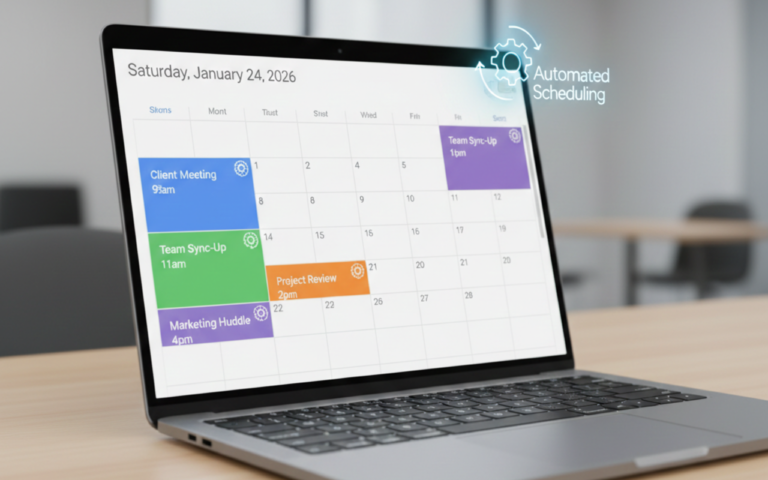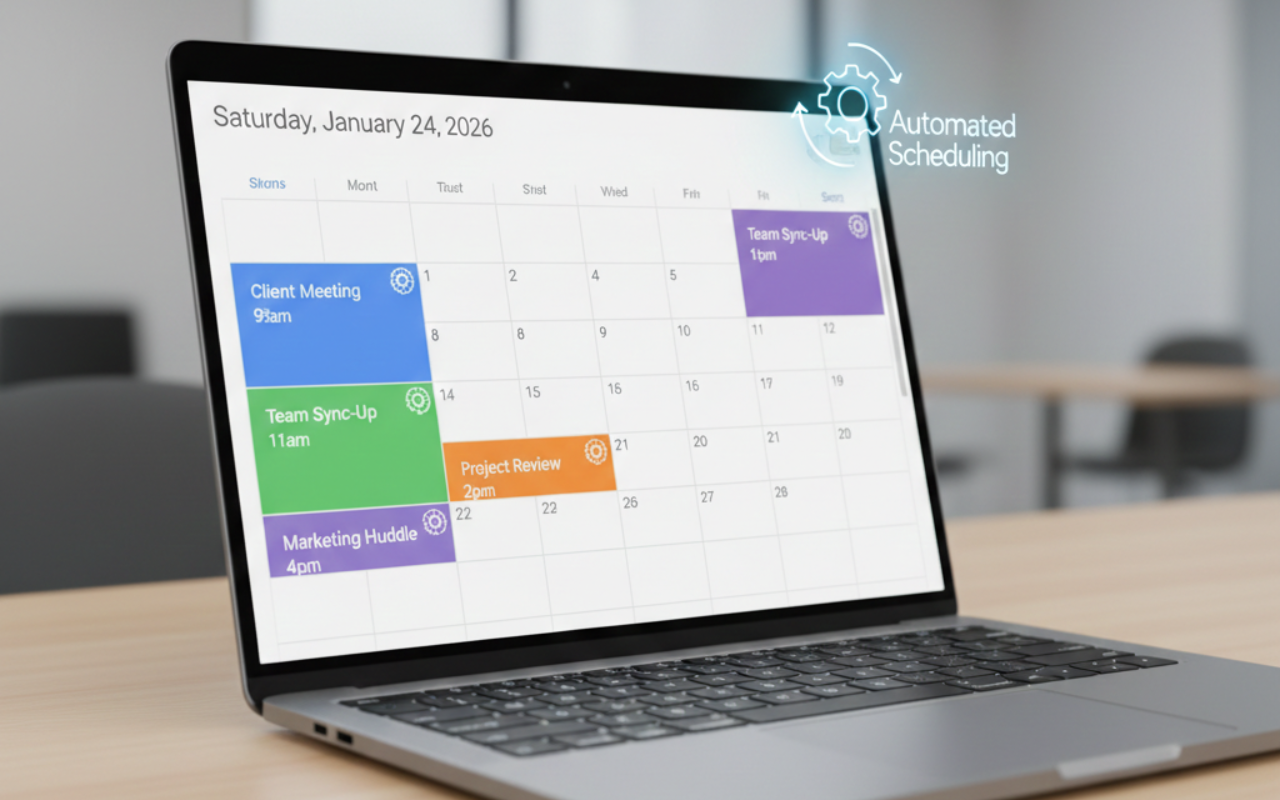
The year 2026 marks a pivotal moment for AI enterprise software development. Businesses are no longer just adopting AI—they are embedding it into the core of their operations to gain a competitive edge. From automating workflows to enhancing decision-making and personalizing customer experiences, AI enterprise solutions are becoming indispensable.
Whether you’re a tech leader in a Fortune 500 company or a CTO at a mid-sized enterprise, understanding the trends, tools, and strategies in AI software development is critical. This guide dives deep into what’s shaping the industry, why AI-driven solutions are a strategic growth lever, and how businesses can implement them effectively.
Internal Link: For an overview of modern AI tools, see the AI automation guide for businesses.
Why AI Enterprise Software Development Matters in 2026
Businesses today face unprecedented pressure to innovate, cut costs, and improve customer satisfaction. Traditional software systems—while reliable—cannot handle the scale and complexity of modern operations.
AI enterprise software bridges this gap by:
- Automating repetitive tasks – freeing human resources for higher-value activities.
- Enhancing decision-making – leveraging predictive analytics and real-time data insights.
- Personalizing customer interactions – using AI to deliver individualized experiences at scale.
- Optimizing operational efficiency – detecting bottlenecks and recommending process improvements.
In 2026, companies that fail to integrate AI into their enterprise software risk being left behind, while those who leverage it can drive measurable growth, improve efficiency, and scale innovation faster than ever before.
Learn more about AI automation in business processes to see how software can transform operations.
Top Trends in AI Enterprise Software Development
1. Generative AI Integration
Generative AI, popularized by tools like GPT and DALL·E, is revolutionizing enterprise software. In 2026, businesses are using generative AI models to:
- Draft reports and proposals automatically
- Generate personalized marketing content
- Automate coding tasks and software testing
By integrating generative AI into enterprise workflows, organizations can reduce operational costs and speed up time-to-market for products and services.
Read more about generative AI trends at MIT Technology Review.
2. AI-Driven Cybersecurity
With the rise of remote work and digital transformation, cybersecurity threats are more sophisticated than ever. AI enterprise software in cybersecurity helps detect anomalies, prevent breaches, and respond to threats in real time.
Benefits include:
- Predictive threat analysis using machine learning
- Automated threat detection and response
- Reducing human error in security operations
Businesses investing in AI-powered cybersecurity are safeguarding not just data, but also brand reputation and regulatory compliance.
Explore AI cybersecurity strategies at Forbes Technology Council..
3. Hyper-Personalized Customer Experiences
AI enterprise software now enables real-time personalization across all customer touchpoints. From chatbots to recommendation engines, AI analyzes user behavior to tailor interactions.
Examples:
- E-commerce platforms suggest products based on AI-analyzed purchase history
- SaaS companies provide personalized onboarding experiences
- Customer support platforms prioritize tickets based on predicted urgency
Personalization improves engagement and drives customer loyalty and revenue growth.
Learn how to implement AI personalization enterprise software best practices guide.
4. Low-Code and No-Code AI Platforms
By 2026, low-code and no-code AI development platforms will be mainstream. These platforms allow businesses to deploy AI solutions without heavy coding expertise, reducing development time and cost.
Benefits:
- Faster deployment of AI solutions
- Reduced dependency on specialized AI engineers
- Greater experimentation and innovation across departments
Low-code AI platforms are helping organizations scale intelligent solutions quickly and efficiently.
5. Responsible AI and Ethics
As AI enterprise software becomes more powerful, ethical considerations are critical. Companies are adopting responsible AI frameworks to ensure transparency, fairness, and compliance with regulations.
Key focus areas:
- Bias detection in AI algorithms
- Data privacy compliance
- Transparent AI decision-making processes
Integrating responsible AI practices mitigates risk and builds trust with customers and stakeholders.
Key Components of AI Enterprise Software
To succeed in 2026, enterprise software should combine multiple AI-driven capabilities:
- Predictive Analytics – Anticipate trends and make data-driven decisions.
- Natural Language Processing (NLP) – Automate customer support and internal communications.
- Machine Learning Models – Continuously improve processes and predictions over time.
- Robotic Process Automation (RPA) – Automate repetitive administrative tasks.
- Data Integration Platforms – Consolidate siloed data for smarter decision-making.
Companies that invest in these components can turn AI enterprise software into a strategic growth lever, not just a tool for efficiency.
Challenges in AI Enterprise Software Development
Despite the benefits, implementing AI enterprise software comes with challenges:
- Data Quality and Availability – AI models require large, clean datasets to function effectively.
- Integration with Legacy Systems – Many enterprises rely on outdated software that doesn’t integrate easily with AI solutions.
- Talent Shortage – Skilled AI engineers are in high demand, making recruitment challenging.
- Cost of Implementation – AI solutions can be expensive upfront, though ROI is often significant.
Strategic planning and careful vendor selection are critical to overcoming these challenges.
Learn more about enterprise AI adoption challenges at Forbes Technology Council.
How to Implement AI Enterprise Software in 2026
Step 1: Define Business Objectives
Identify key problems AI can solve, whether it’s automating workflows, predicting trends, or enhancing customer experiences. Clear goals ensure AI software aligns with business strategy.
Step 2: Assess Current Infrastructure
Evaluate whether your existing systems can support AI integration. This includes data quality, cloud readiness, and security measures.
Step 3: Choose the Right AI Platform
Select a platform that matches your business needs:
- Low-code/no-code capabilities
- Pre-built AI models
- Integration with existing software stack
Step 4: Pilot and Scale
Start with a small pilot project to test AI solutions, measure ROI, and identify improvement areas. Once successful, scale across departments.
Step 5: Monitor and Optimize
AI enterprise software isn’t “set and forget.” Continuously monitor performance, retrain models, and refine algorithms to maximize efficiency and accuracy.
Keyword Integration: AI software implementation, enterprise AI strategy, AI business solutions
AI Enterprise Software in Action: Real-World Examples
- Finance – Banks use AI to detect fraud, predict loan defaults, and automate risk assessment.
- Healthcare – Hospitals leverage AI for patient diagnostics, predictive care, and administrative automation.
- Retail – Retailers employ AI for inventory optimization, dynamic pricing, and personalized marketing.
- Manufacturing – Factories adopt AI for predictive maintenance, quality control, and process automation.
These examples show that AI enterprise software is delivering measurable impact across industries.
The Future: What to Expect in AI Enterprise Software
By the end of 2026 and beyond, AI enterprise software is expected to:
- Become fully autonomous in operational areas
- Integrate seamlessly across multiple platforms
- Provide advanced predictive insights to guide strategic decisions
- Adopt explainable AI (XAI) for transparency and trust
Businesses that embrace these advancements early will outpace competitors, improve efficiency, and unlock new revenue streams.
Why 2026 is the Year of AI Enterprise Software
AI enterprise software development in 2026 isn’t just a tech trend—it’s a strategic business imperative. From automation and predictive analytics to personalized customer experiences, AI is reshaping operations, competition, and growth.
Investing in AI solutions allows enterprises to reduce costs, increase efficiency, and scale innovation. The key is to align AI adoption with business strategy, select the right platforms, and monitor outcomes continuously.
AI enterprise software is no longer optional—it’s the engine driving modern business growth.