For many small to mid-sized healthcare providers, Health-IT once meant a clunky electronic health record (EHR) system and a server tucked away in a closet that occasionally buzzed or groaned. But the landscape has shifted dramatically. Today, Health-IT is no longer just about digitizing records—it’s about integrating Artificial Intelligence (AI) in Health-IT to drive measurable business results, improve patient outcomes, and optimize operations.
At Atlas Unchained, we observe too many healthcare organizations trapped in the “AI theory” loop—they wait for the perfect solution while competitors are already leveraging AI to automate administrative tasks, streamline workflows, and enhance patient engagement.
In healthcare, as in business, done is better than discussed. Here’s how AI is transforming Health-IT and actionable strategies for implementing AI in your practice today.
Why AI in Health-IT Isn’t Just for Big Hospitals
There’s a common misconception that AI is a luxury reserved for large hospitals with deep IT budgets. This could not be further from the truth. Healthcare AI solutions are now accessible and scalable for small medical practices, clinics, and even solo practitioners.
From automating appointment reminders to predicting patient no-shows, AI tools save time—the one resource every healthcare professional values most. Cloud-based platforms, SaaS solutions, and user-friendly AI software mean even small practices can compete with larger organizations in efficiency, patient experience, and profitability.
For reference on accessible AI platforms for small practices, please see the HIMSS 2025 AI in Healthcare report.
AI isn’t just a tech upgrade—it’s a strategic advantage. Early adopters often see reduced no-show rates, faster billing cycles, and higher patient satisfaction within months of implementation.
1. Automating the “Boring” Stuff
Administrative tasks are the biggest drain on healthcare practices. These “back-office chores” can absorb hours of staff time every day, reducing focus on patient care. AI for small medical practices excels in automating these repetitive tasks, including:
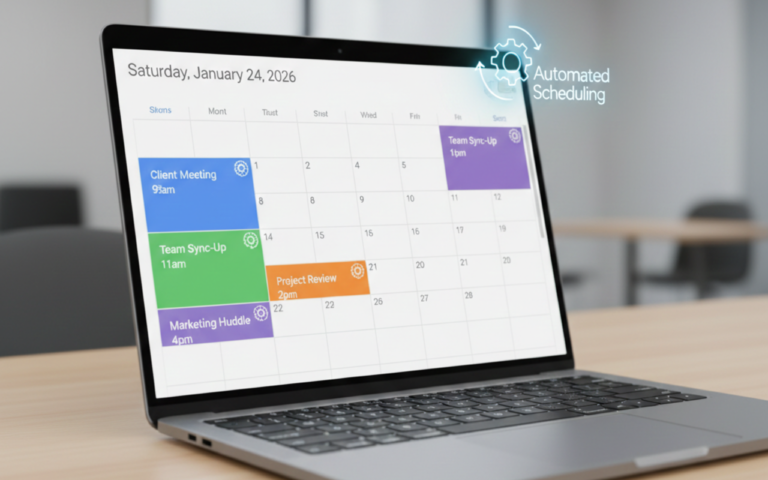
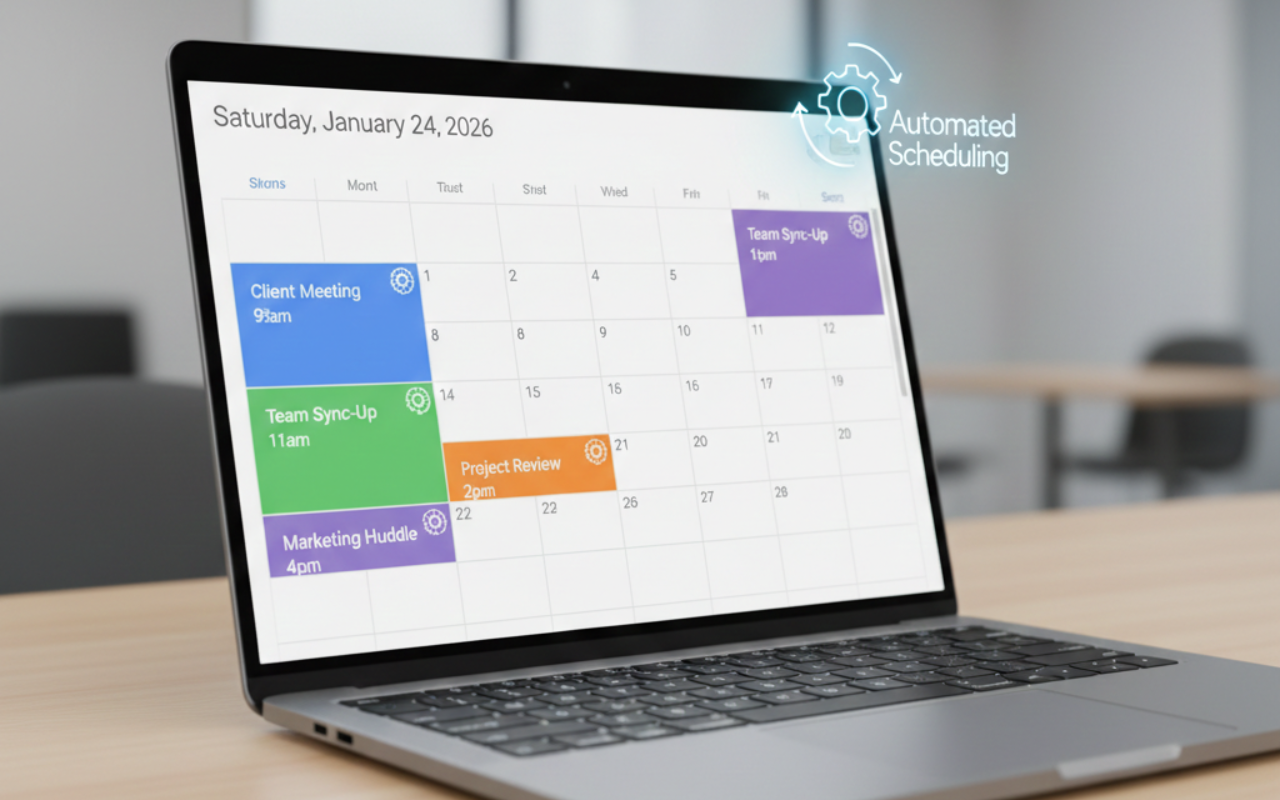
- Patient Scheduling: AI-powered scheduling tools can automatically coordinate appointments, send reminders, and adjust for cancellations or conflicts.
- Medical Billing and Coding: AI reduces human error in insurance claims, accelerates payment cycles, and ensures compliance with coding standards.
- Initial Patient Inquiries: AI chatbots can answer common patient questions 24/7, provide pre-appointment guidance, and even collect preliminary health information.
The result? Staff can focus on high-value tasks like patient care and relationship building while AI handles routine work efficiently.
For a practical example of AI in action for medical scheduling, please see reference about AI-powered scheduling software case studies.
2. Enhancing Patient Engagement Through AI
Digital transformation in health isn’t just about efficiency—it’s about connecting with patients on a deeper level. AI can analyze patient data to deliver personalized follow-up care instructions, reminders, and wellness tips.
Consider these practical applications:
- Predictive Analytics: AI identifies patients at risk of missing appointments or failing to adhere to treatment plans.
- Tailored Communication: Messaging platforms powered by AI adjust tone and content based on patient history and preferences, creating a sense of personal attention.
- Remote Monitoring: AI-driven wearable integrations can alert providers to anomalies in patient health metrics, enabling early intervention.
Personalized engagement isn’t just convenient—it drives loyalty. Patients who feel seen, heard, and supported are more likely to follow care plans and recommend your practice.
For research on AI improving patient adherence, please see reference about AI in patient engagement studies.
Shedding the “Back-Office IT” Mentality
Too often, healthcare organizations treat IT as a cost center rather than a growth engine. A back-office mentality sees technology as an expense to minimize. A growth-oriented mentality sees it as a system to optimize, scale, and differentiate your practice.
If your current systems aren’t helping you scale or improve patient experience, they’re holding you back. AI provides an opportunity to rethink and reengineer workflows—from billing to patient communication—so technology directly contributes to business growth and clinical excellence.
For insights on transforming IT into a growth engine, please see reference about Digital Transformation in Healthcare.
Actionable Takeaways for Your Practice
Implementing AI doesn’t require a massive overhaul. Here’s how small practices can get started:
- Audit Your Workflow
Identify the top three repetitive tasks your staff performs daily. Can an AI tool automate at least one of them? Start small and expand gradually. - Focus on Data Quality
AI is only as effective as the data it processes. Clean, organized, and accurate patient records and business metrics are essential. - Choose Scalable Tools
Begin with one AI tool—like an automated intake form, AI-driven scheduling, or AI-powered SEO for your practice website—to test impact and measure ROI. - Ensure Compliance
Use HIPAA-compliant tools and maintain human oversight to avoid errors or privacy breaches. AI should enhance, not replace, clinical judgment. - Invest in Staff Training
Your team is your most important asset. Equip staff with skills to use AI tools effectively, maximizing adoption and efficiency.
For a curated list of beginner-friendly AI tools for small medical practices, please see reference about Practical AI Applications in Clinics..
People Also Ask (FAQ)
How is AI currently being used in Health-IT?
AI is deployed across predictive diagnostics, personalized treatment planning, administrative automation (medical billing, scheduling, data management), and patient engagement.
Is AI in healthcare affordable for small businesses?
Yes. Many SaaS platforms now offer AI-integrated solutions at accessible prices, allowing small and mid-sized practices to compete with larger organizations.
What are the risks of using AI in Health-IT?
The main concerns are data privacy and compliance (HIPAA) and ensuring the accuracy of AI outputs. Maintaining human oversight is essential, especially in clinical decision-making.
How can AI improve patient outcomes?
By analyzing large datasets, AI can identify health trends earlier, provide personalized care plans, and automate patient engagement, resulting in improved adherence and outcomes.
Please see reference about AI impact on patient outcomes.
The Business Case for AI in Small Medical Practices
Beyond patient care, AI drives tangible business results:
- Cost Reduction: Automating routine tasks reduces administrative overhead and prevents costly errors.
- Revenue Growth: AI-driven patient engagement improves retention and increases appointment adherence.
- Competitive Advantage: Practices leveraging AI outperform competitors in efficiency, patient satisfaction, and service personalization.
Implementing AI is no longer optional—it’s a strategic imperative. Small practices can no longer rely solely on human-driven processes in a world where AI-enabled competitors are scaling faster, operating leaner, and providing higher-quality patient experiences.
For a breakdown of ROI for AI in healthcare, please see reference about Financial Benefits of AI in Health-IT.
Future Trends in AI for Health-IT
Looking ahead, AI in Health-IT will evolve beyond automation and predictive analytics:
- Clinical Decision Support: AI will assist physicians in real-time, analyzing symptoms and suggesting evidence-based treatment options.
- Virtual Health Assistants: Voice-activated AI tools will support patient self-care and remote consultations.
- Integration with Wearables and IoT Devices: AI will continuously monitor patient health metrics, enabling early interventions and personalized treatment plans.
- AI-Powered Telehealth Platforms: Remote patient care will become smarter, more personalized, and more efficient.
Staying ahead means adopting these technologies strategically and ensuring staff and patients are comfortable with their use.
For a detailed overview of AI trends in healthcare, please see reference about Future of AI in Health-IT.
Ready to Unlock Your Practice’s Potential?
At Atlas Unchained, we don’t just talk about digital transformation in health—we implement systems that make it happen. From AI-driven workflow automation to high-performing websites and AI-powered business consulting, we help small medical practices thrive in an increasingly competitive landscape.
Stop discussing and start doing. Contact Trevor Kaak and the Atlas Unchained team today to explore AI in Health-IT solutions tailored to your practice, improve patient outcomes, and scale your business with confidence.