A local business with 200 reviews can now lose the map pack to a competitor with 40. Google’s local algorithm spent years rewarding prominence: how many links you had, how many reviews you had banked, how long you had been in business. In 2026 the weighting moved toward popularity, which is a polite word for recent engagement. Click-through rate, dwell time, photo views, direction requests, calls, and the velocity of fresh reviews now carry more weight than your back catalog. The score Google cares about is not what you built. It is what happened on your profile in the last 30 days.
That is good news if you are willing to do the weekly work, and brutal if you have been coasting on a profile you set up in 2019. This post lays out what the popularity signals actually are, the weekly cadence that feeds them, and the honest places where chasing engagement will burn your time for nothing.
What “popularity” counts, and what it ignores
Prominence rewarded totals. Popularity rewards recency and slope. Google now reads the interactions on your Business Profile as a real-time signal of whether you matter to people right now. The actions that feed it are concrete: profile views, search-result clicks, calls placed from the listing, messages, photo views, Q&A clicks, and direction requests. Each one is a small vote that a real human chose you over the listing above and below you.
Review velocity is the clearest example of the shift. A shop with 200 reviews and nothing in the last six months reads as stale. A newer competitor adding two or three reviews a week reads as alive. Same logic applies to posts and photos. A profile that has not published since spring looks abandoned to a system that is checking the last 30 days. The totals still help you clear a credibility bar. They no longer win the ranking by themselves.
What this does not reward is gaming. Click farms, fake direction requests, and bought reviews get filtered, and the filters got sharper this year alongside tighter video verification for new and high-spam listings. The signal Google wants is genuine demand. Your job is to remove the friction between a real customer and the action they were already half-inclined to take.
The weekly engagement engine
Engagement that moves ranking is a routine, not a campaign. Here is a five-task weekly cadence that fits inside about 90 minutes and feeds every popularity signal that matters. Run it the same morning each week so it actually happens.
Monday, 15 minutes: publish one Google post. An offer, an update, a finished job, a new product. Posts drive clicks and signal a live profile. Draft four at once with a tool you already pay for. ChatGPT or Gemini will turn three bullet points into a tight 1500-character post with a clear call to action, and you schedule the batch so you are not starting from blank each week.
Tuesday, 20 minutes: ask for reviews by text. Velocity beats volume, so the goal is a steady drip, not a once-a-year blast. Send a short personal request to every customer from the last week with a direct review link. Podium, Birdeye, or NiceJob run this for $200 to $400 a month, or you can do it free from your phone with a saved link and a two-line template. Three new reviews a week is the target.
Wednesday, 15 minutes: reply to every review. Reply to all of them, the four-star and the one-star included. Responses are an engagement signal, and they give Google fresh, keyword-relevant text on your profile. Mention the service and the city in your reply without stuffing. “Glad we got your AC running before the heat wave in Mesa” beats “Thanks for the review.”
Thursday, 10 minutes: post three photos. Real ones from this week. A finished install, the team, the storefront, a product. Photo views are a tracked signal, and profiles with recent images get more of them. Shoot on your phone, skip the stock library.
Friday, 30 minutes: answer questions and check the data. Seed two or three real customer questions in the Q&A and answer them, then open the Performance tab and read last week’s numbers. That is the whole loop: act, then measure.
Measure the slope, not the snapshot
The Performance tab inside your Business Profile is the scoreboard, and almost nobody reads it. It shows calls, messages, direction requests, website clicks, and how people found you, split by Search and Maps. The mistake is glancing at one week and moving on. The number that predicts ranking is the trend line, not Tuesday’s total.
Build a simple tracker. A five-column spreadsheet is enough: week, total interactions, new reviews, posts published, photos added. Fill it in every Friday during the 30-minute block. After a month you can see whether your slope points up. If interactions climbed from 180 a week to 260 while a competitor flatlined, you are winning the popularity signal even if their review total is still double yours. If your own line is flat, the cadence slipped and you will feel it in the rankings within a few weeks.
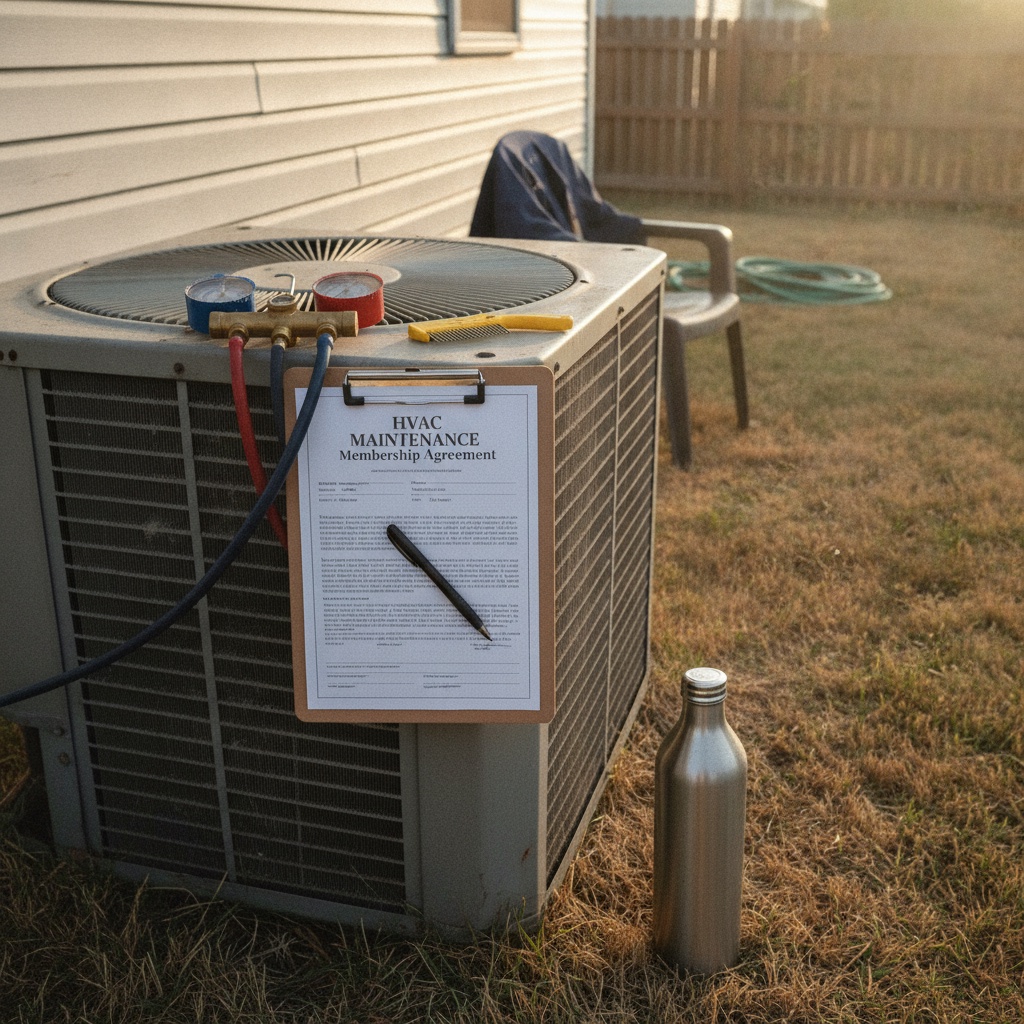
One before-and-after worth modeling: an HVAC operator who published nothing for a quarter, then ran this cadence for six weeks, typically sees direction requests and calls move first because those are the highest-intent actions and the easiest to lift once the profile looks active again. Reviews compound slower. Watch the high-intent metrics for the early read.
Where engagement chasing wastes your time
Honesty matters here, because the popularity shift has a dark side: it rewards activity, and activity is easy to fake to yourself. Posting daily does not beat posting weekly with something worth reading. Google measures whether posts get clicked, not whether they exist. A daily post nobody opens is worse than a weekly post that pulls. Do not confuse motion with the signal.
Two more traps. First, do not buy reviews to manufacture velocity. The filters catch clustered, off-pattern reviews, and a suspension wipes out every real signal you built. Second, do not let the cadence pull you away from the work that actually generates demand. Engagement signals amplify real customer interest. They do not create it. If your phone is not ringing, the fix is the offer and the service, not three more photos a week. The profile work multiplies demand that exists. It cannot fake demand that does not.
The signal to watch over the next 30 days: Google is extending AI-generated Q&A and review-gated answers across more profiles, which means the questions and replies on your listing increasingly feed what the AI says about you to a searcher who never clicks through. The businesses that seed and answer their own questions now will shape that machine summary. The ones that leave it blank will let Google guess.
At Atlas Unchained we build the systems that make this cadence run on its own, so the weekly engine happens whether or not you remember it Monday morning. If you want the local-search playbook each week, subscribe to The AU Brief.
About the Author
Trevor Kaak is the founder of Atlas Unchained, a portfolio of products and services helping local businesses run leaner with AI — from custom websites to vendor-bidding marketplaces to vertical SaaS. He writes about marketing, automation, and the craft of building software for operators who’d rather work on their business than in it.